


News

LONGHUA NEW MATERIALS

Nano-active calcium carbonate

The function of nano-active calcium carbonate. Nano-active calcium carbonate is a new type of calcium carbonate material with small particle size and high activity. It has a wide range of applications in many fields. Guangxi Longhua New Materials, a calcium carbonate manufacturer, will introduce the preparation methods, properties and applications of nano-active calcium carbonate.

Nano-active calcium carbonate function. Nano-active calcium carbonate is a new type of calcium carbonate material with small particle size and high activity. It has a wide range of applications in many fields. Guangxi Longhua New Materials, a calcium carbonate manufacturer, will introduce the preparation methods, properties, and applications of nano-active calcium carbonate.

  First, there are various methods for preparing nano-active calcium carbonate, including physical methods, chemical methods, and biological methods. Physical methods mainly use mechanical grinding or ultrasonic treatment to decompose ordinary calcium carbonate particles into nano-level particles; chemical methods synthesize through solution methods, obtaining nano-sized calcium carbonate particles by controlling reaction parameters under appropriate conditions; biological methods utilize microorganisms or organic skeletal templates on the surface of organisms to prepare nano-active calcium carbonate. These methods have their own advantages and disadvantages, and the appropriate preparation method can be selected according to specific application needs.

  Secondly, the properties of nano-active calcium carbonate give it broad application prospects in many fields. First, nano-active calcium carbonate has a large specific surface area and higher activity, making it widely used in catalysts, adsorbents, and catalyst carriers. Secondly, nano-active calcium carbonate has good solubility and dispersibility, and is widely used in drug delivery, material enhancement, and coatings. In addition, nano-active calcium carbonate can be surface-functionalized to alter its properties, giving it more application potential.
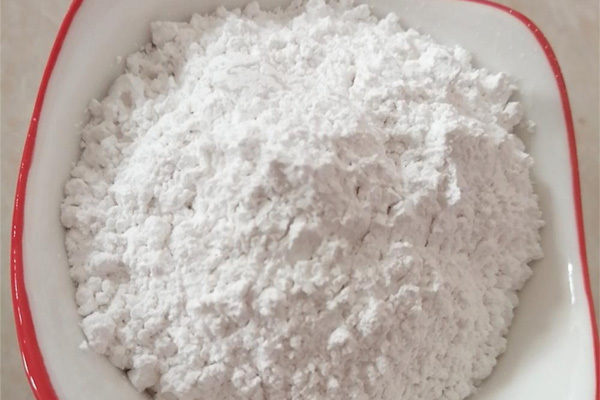
 Nano-active Calcium Carbonate

  Finally, nano-active calcium carbonate has a wide range of applications in many fields. In the environmental field, nano-active calcium carbonate can be used as an adsorbent for wastewater treatment and harmful gas removal; in the medical field, nano-active calcium carbonate can be used to prepare drug carriers, biomarkers, and tissue engineering; in the field of materials science, nano-active calcium carbonate can be used to prepare high-strength composite materials and nano-fillers. These application areas are just the tip of the iceberg, and with the continuous development of nanotechnology, the application prospects of nano-active calcium carbonate will be even broader.

  In summary, nano-active calcium carbonate, as a calcium carbonate material with small particle size and high activity, has unique characteristics in terms of preparation methods, properties, and applications. It has broad application prospects in many fields such as catalysts, drug delivery, and material enhancement. With the continuous advancement of technology, the application potential of nano-active calcium carbonate is expected to be further explored, bringing more opportunities and innovations to various industries.

Related News


Why is edible calcium carbonate added to toothpaste?

One of the core functions of toothpaste is to clean plaque and stains through abrasives, and edible calcium carbonate, due to its unique physical and chemical properties, has become a widely used choice in the industry. This additive not only needs to meet cleaning needs but also needs to comply with food safety standards. The logic behind it involves multiple considerations of material science, production processes, and consumer safety. Safety: From "edible" to "oral friendly" The "food-grade" attribute of edible calcium carbonate is a prerequisite for its use in toothpaste. According to national standards (such as GB 25584-2010), if toothpaste raw materials claim to be "edible", they must pass strict tests for heavy metals, microorganisms, etc., to ensure safety in case of accidental ingestion. Calcium carbonate itself is chemically stable and can be decomposed into carbon dioxide and calcium ions by gastric acid in the gastrointestinal tract, further reducing the risk. In contrast, industrial-grade calcium carbonate may contain trace amounts of heavy metals or impurities. Although the cleaning effect is similar, there are health risks associated with long-term use. Therefore, the choice of edible calcium carbonate in toothpaste is essentially a double protection against accidental ingestion by consumers. Functionality: Balancing cleaning power and mildness As an abrasive, the hardness and particle size distribution of calcium carbonate directly affect the cleaning effect. Its Mohs hardness is about 3, lower than that of tooth enamel (about 5), which can effectively remove


How to choose the right food-grade calcium carbonate product?

How to choose the right edible calcium carbonate product? In today's era of increasing health awareness, many people are paying attention to calcium supplementation. Whether it is to maintain bone health or to enhance immunity, edible calcium carbonate has become the choice of many people. However, faced with a wide variety of edible calcium carbonate products on the market, how should one choose the right one? Today, let's talk about this topic. Understanding the basics of edible calcium carbonate First, we need to have a basic understanding of edible calcium carbonate. Edible calcium carbonate is a common calcium supplement, which is refined from limestone through chemical reactions. It can not only effectively supplement the calcium elements needed by the human body, but also promote the healthy development of bones. Sounds good, doesn't it? However, choosing the right product is not a simple matter. Product source and production method When choosing edible calcium carbonate, the first thing to consider is the source and production method of the product. Some products may come from unknown sources, or substandard materials may have been used in the production process. Therefore, it is recommended to choose brands that have undergone rigorous testing and have a good reputation. For example, does the product packaging have relevant certification marks, and does it meet national food safety standards? These can help you


Unveiling the Multiple Roles of Calcium Carbonate: From Nature to Food

From nature to food: Unveiling the multiple roles of calcium carbonate Have you ever considered that calcium carbonate is more than just a mineral? In our lives, its roles are astonishingly diverse! From our daily diet to pharmaceutical formulations, it's everywhere. Today, let's talk about this seemingly simple yet extremely important compound - food-grade calcium carbonate. What is calcium carbonate? Calcium carbonate (CaCO3) is a natural mineral commonly found in limestone, marble, and seashells. Its chemical structure allows it to have wide-ranging applications in many fields. You might be thinking, "What does this have to do with my life?" Actually, it has a lot to do with it! For example, food-grade calcium carbonate is one of the important sources of calcium we ingest every day. Sources of food-grade calcium carbonate There are two main sources of food-grade calcium carbonate: natural sources and synthetic sources. Natural calcium carbonate usually comes from minerals, while synthetic calcium carbonate is manufactured in laboratories. Did you know that many calcium supplements and some food additives include food-grade calcium carbonate to increase calcium content and help us maintain better health? Health benefits of food-grade calcium carbonate The biggest selling point of calcium carbonate is its high calcium content; almost every 100 grams provides about 40 grams of elemental calcium. This is suitable for people of all ages.