


News

LONGHUA NEW MATERIALS

Calcium carbonate fineness D97 reference table

Calcium carbonate fineness D97 reference table. Calcium carbonate is a common inorganic compound widely used in various fields. The fineness of calcium carbonate refers to the size and distribution of its particles, usually represented by the D97 value. The D97 value is the cumulative percentage of particles with a particle size less than or equal to this value in the particle size distribution curve.

Calcium carbonate fineness D97 reference table. Calcium carbonate is a common inorganic compound widely used in various fields. The fineness of calcium carbonate refers to the size and distribution of its particles, usually represented by the D97 value. The D97 value is the cumulative percentage of particles with a particle size less than or equal to this value in the particle size distribution curve. In this article, we will explore the significance and application of the calcium carbonate fineness D97 reference table. The fineness of calcium carbonate has an important impact on its application in different fields. Different fineness can affect the physical properties, chemical reactivity, flowability and dispersibility of calcium carbonate in the production process. Therefore, understanding the fineness of calcium carbonate is crucial for selecting the right product and optimizing the production process.

  The D97 value is a commonly used fineness index, which can be measured by instruments such as particle size analyzers. The D97 reference table is a table that compares different D97 values with their corresponding particle percentages. Through the reference table, we can understand the proportion of calcium carbonate with different fineness, so as to choose products suitable for specific needs.
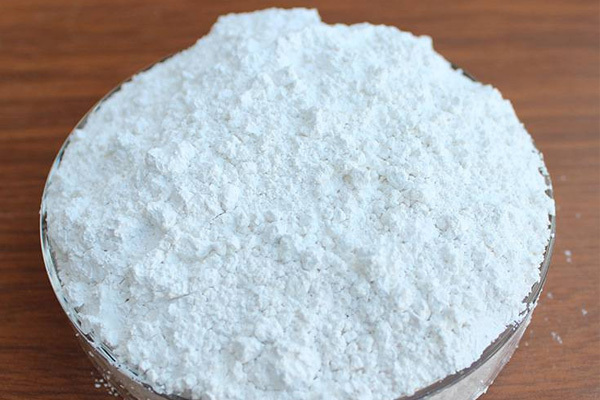
 

 Calcium carbonate


  In practical applications, the fineness requirements of calcium carbonate vary with different industries and products. For example, in the plastics industry, calcium carbonate with higher fineness can provide better reinforcement effect and increase product hardness. While in the coatings industry, lower fineness calcium carbonate can provide better hiding power and gloss. Therefore, through the D97 reference table, we can choose suitable calcium carbonate products according to specific needs.

  In addition, the D97 reference table can also be used for quality control and product evaluation. Through the data in the reference table, we can compare different batches of calcium carbonate to ensure the consistency and stability of the product. At the same time, the reference table can also help users evaluate product performance and applicability, and choose the most suitable calcium carbonate product for their needs.

  In summary, the fineness of calcium carbonate has an important impact on its application in different fields. The D97 reference table is a tool to help us understand the proportion of calcium carbonate with different fineness and choose suitable products. By reasonably using the D97 reference table, we can optimize product performance, improve production efficiency, and meet the needs of different industries.

Related News


Why is edible calcium carbonate added to toothpaste?

One of the core functions of toothpaste is to clean plaque and stains through abrasives, and edible calcium carbonate, due to its unique physical and chemical properties, has become a widely used choice in the industry. This additive not only needs to meet cleaning needs but also needs to comply with food safety standards. The logic behind it involves multiple considerations of material science, production processes, and consumer safety. Safety: From "edible" to "oral friendly" The "food-grade" attribute of edible calcium carbonate is a prerequisite for its use in toothpaste. According to national standards (such as GB 25584-2010), if toothpaste raw materials claim to be "edible", they must pass strict tests for heavy metals, microorganisms, etc., to ensure safety in case of accidental ingestion. Calcium carbonate itself is chemically stable and can be decomposed into carbon dioxide and calcium ions by gastric acid in the gastrointestinal tract, further reducing the risk. In contrast, industrial-grade calcium carbonate may contain trace amounts of heavy metals or impurities. Although the cleaning effect is similar, there are health risks associated with long-term use. Therefore, the choice of edible calcium carbonate in toothpaste is essentially a double protection against accidental ingestion by consumers. Functionality: Balancing cleaning power and mildness As an abrasive, the hardness and particle size distribution of calcium carbonate directly affect the cleaning effect. Its Mohs hardness is about 3, lower than that of tooth enamel (about 5), which can effectively remove


How to choose the right food-grade calcium carbonate product?

How to choose the right edible calcium carbonate product? In today's era of increasing health awareness, many people are paying attention to calcium supplementation. Whether it is to maintain bone health or to enhance immunity, edible calcium carbonate has become the choice of many people. However, faced with a wide variety of edible calcium carbonate products on the market, how should one choose the right one? Today, let's talk about this topic. Understanding the basics of edible calcium carbonate First, we need to have a basic understanding of edible calcium carbonate. Edible calcium carbonate is a common calcium supplement, which is refined from limestone through chemical reactions. It can not only effectively supplement the calcium elements needed by the human body, but also promote the healthy development of bones. Sounds good, doesn't it? However, choosing the right product is not a simple matter. Product source and production method When choosing edible calcium carbonate, the first thing to consider is the source and production method of the product. Some products may come from unknown sources, or substandard materials may have been used in the production process. Therefore, it is recommended to choose brands that have undergone rigorous testing and have a good reputation. For example, does the product packaging have relevant certification marks, and does it meet national food safety standards? These can help you


Unveiling the Multiple Roles of Calcium Carbonate: From Nature to Food

From nature to food: Unveiling the multiple roles of calcium carbonate Have you ever considered that calcium carbonate is more than just a mineral? In our lives, its roles are astonishingly diverse! From our daily diet to pharmaceutical formulations, it's everywhere. Today, let's talk about this seemingly simple yet extremely important compound - food-grade calcium carbonate. What is calcium carbonate? Calcium carbonate (CaCO3) is a natural mineral commonly found in limestone, marble, and seashells. Its chemical structure allows it to have wide-ranging applications in many fields. You might be thinking, "What does this have to do with my life?" Actually, it has a lot to do with it! For example, food-grade calcium carbonate is one of the important sources of calcium we ingest every day. Sources of food-grade calcium carbonate There are two main sources of food-grade calcium carbonate: natural sources and synthetic sources. Natural calcium carbonate usually comes from minerals, while synthetic calcium carbonate is manufactured in laboratories. Did you know that many calcium supplements and some food additives include food-grade calcium carbonate to increase calcium content and help us maintain better health? Health benefits of food-grade calcium carbonate The biggest selling point of calcium carbonate is its high calcium content; almost every 100 grams provides about 40 grams of elemental calcium. This is suitable for people of all ages.